Even after achieving independence, Belarus is still known as the most ‘Russianised’ of the post-Soviet countries. Its unique retention of Soviet structures even after the breakdown of the USSR demonstrates the lack of cohesive state identity in the country. This has allowed Alexander Lukashenko, the country’s first and only president to date, to concentrate more and more power in his own hands. This article argues that Belarus’ crisis of state identity has enabled Lukashenko’s populist and, subsequently, authoritarian nature. Further, the lack of state identity has allowed him to neglect the severity of the Coronavirus pandemic. Belarus’s independence in the post-Cold War era was not a result of a long struggle, which hampered the formation of national identity. In 1991, …
Source link
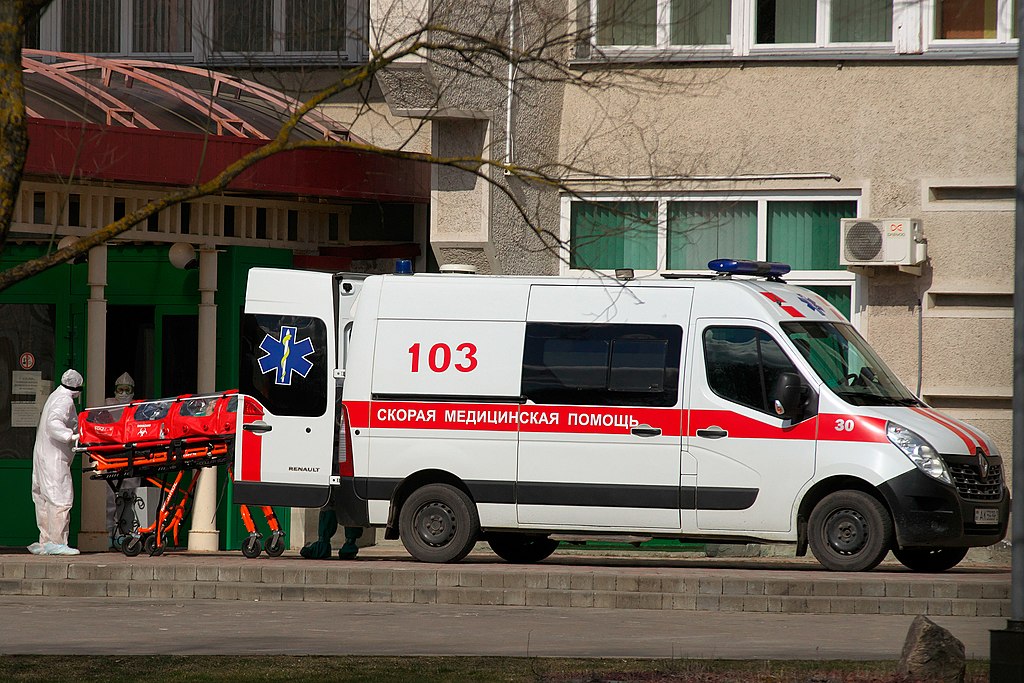
Coronavirus and the Crisis of State Identity in Belarus
Published in Politics

More from PoliticsMore posts in Politics »
- UK Shut Down Overseas Care Worker Visa Programme, Union Kicks
- Nigeria Senate passes two tax reform bills
- ‘Concretution’: Why Senate says Nigerians should ‘perish the thought’ of a new constitution
- The New ‘Worldmakers’: How the 20th Century Black Anticolonial Dialogue Reveals the Strategic Importance of the Milk Tea Alliance
- Comparing the 1860 and 2020 Elections: Is the USA Heading for Another Civil War?
Be First to Comment