In 2016, Uganda’s Presidential election was met with a surge in violence. More than 20 people reportedly died and even more were threatened and beaten in the lead-up to the election. Current Ugandan President Yoweri Museveni, who has ruled the country since 1986, captured another term in office through a strategy that relied on intimidation tactics. Voters throughout the country were told that their regions would not receive aid support if they did not vote for Museveni, leading EU and U.S. election monitors to deem that there was “an atmosphere of intimidation” that was “deeply inconsistent with international standards.” In the lead-up to next year’s election, there are again fears of an illegitimate democratic process. Namely, increasing internet suppression may mar the outcome of the …
Source link
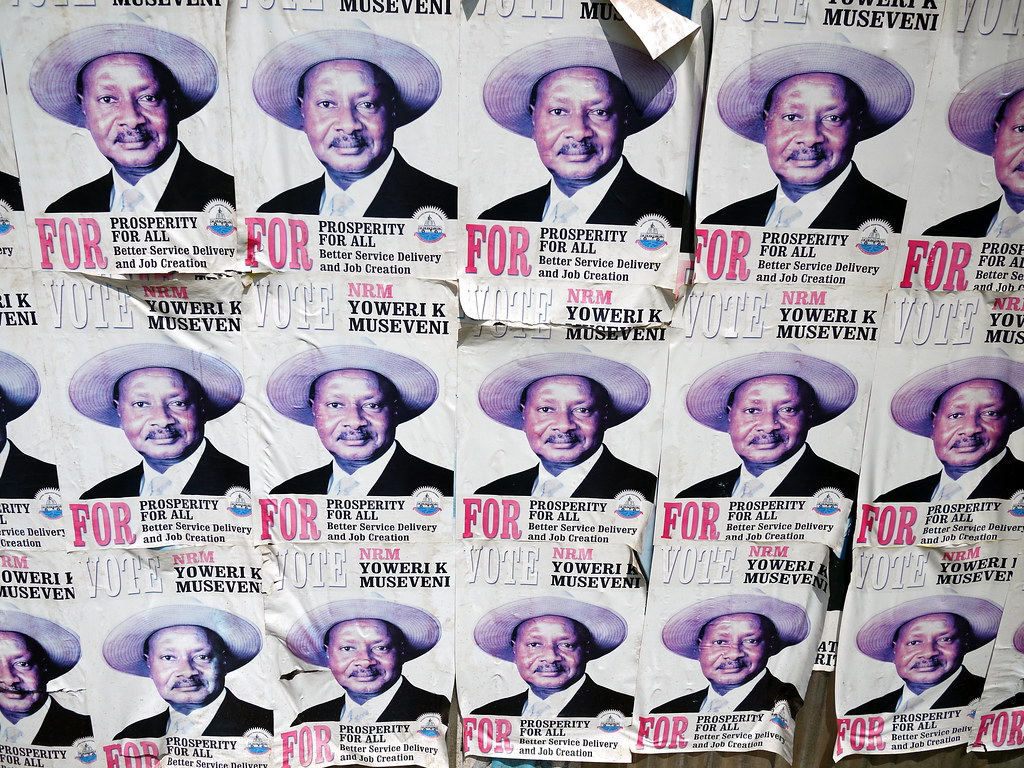
Internet Suppression and Violence in Uganda: Implications for the 2021 Elections
Published in Politics

More from PoliticsMore posts in Politics »
- UK Shut Down Overseas Care Worker Visa Programme, Union Kicks
- Nigeria Senate passes two tax reform bills
- ‘Concretution’: Why Senate says Nigerians should ‘perish the thought’ of a new constitution
- The New ‘Worldmakers’: How the 20th Century Black Anticolonial Dialogue Reveals the Strategic Importance of the Milk Tea Alliance
- Comparing the 1860 and 2020 Elections: Is the USA Heading for Another Civil War?


Be First to Comment